(and honestly, everywhere)
At an offsite some years ago, I was asked to facilitate a session with senior management of a financial institution related to the government.
At one point, I asked a simple question:
“Does anyone here recognise a dark side in themselves?”
Silence.
To create some space, I raised my own hand.
Still, nobody followed.
When I pushed a bit further, the answers came:
“I sometimes see it… in others.”
That moment stayed with me.
Because when I ask artists that same question, almost everyone raises their hand immediately.

What to paint?
An artist starts a new piece by asking: What wants to be painted?
Not what will sell. Not what is expected. But what feels meaningful.
That question already requires something unusual: the courage to look inward.
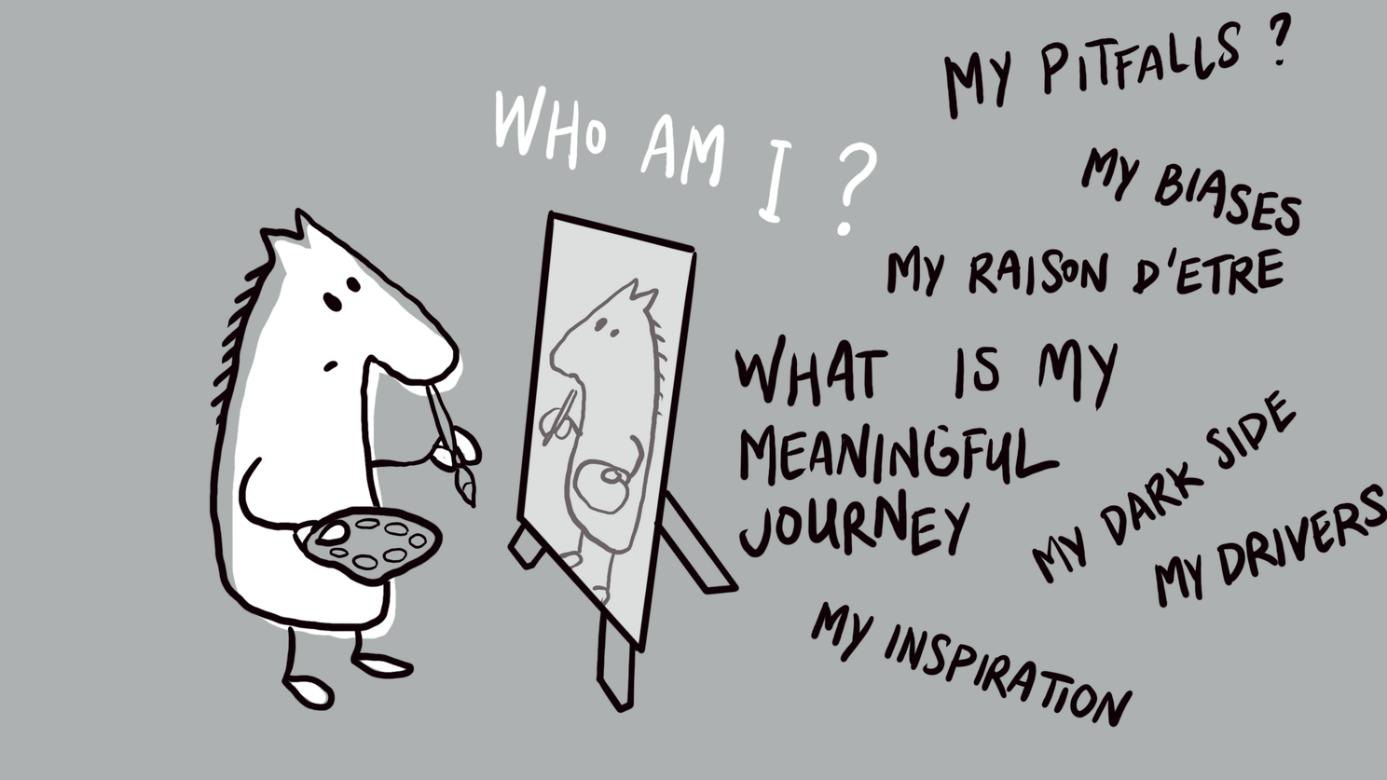
Who am I?
Very quickly, the canvas turns into a mirror.
Artists ask themselves things we rarely ask in professional settings:
Who am I, really?
What drives me?
Where am I biased?
Where do I fool myself?
What am I afraid to see?
In finance, these questions often feel… uncomfortable. Even inappropriate.
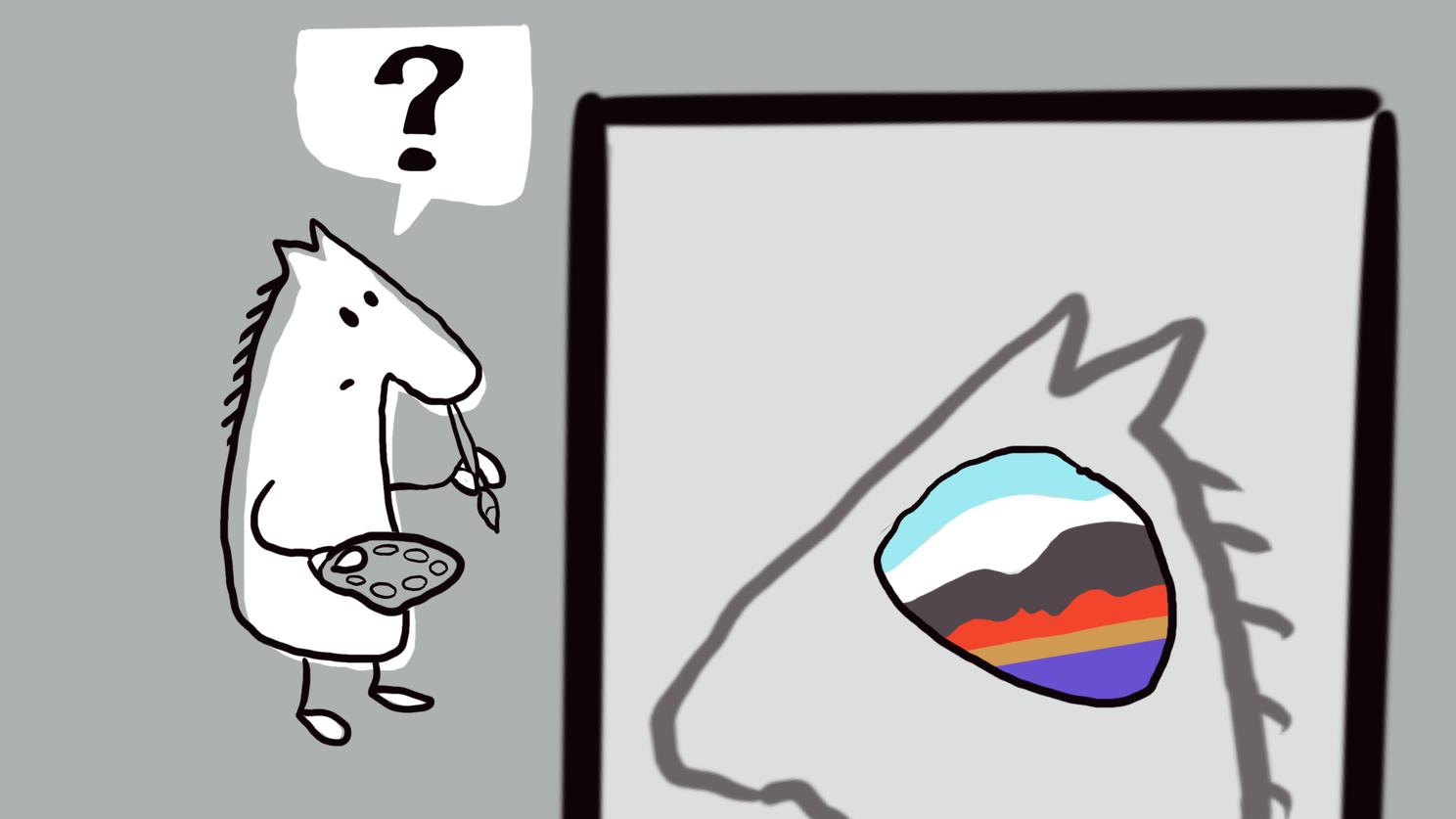
Looking into the mind
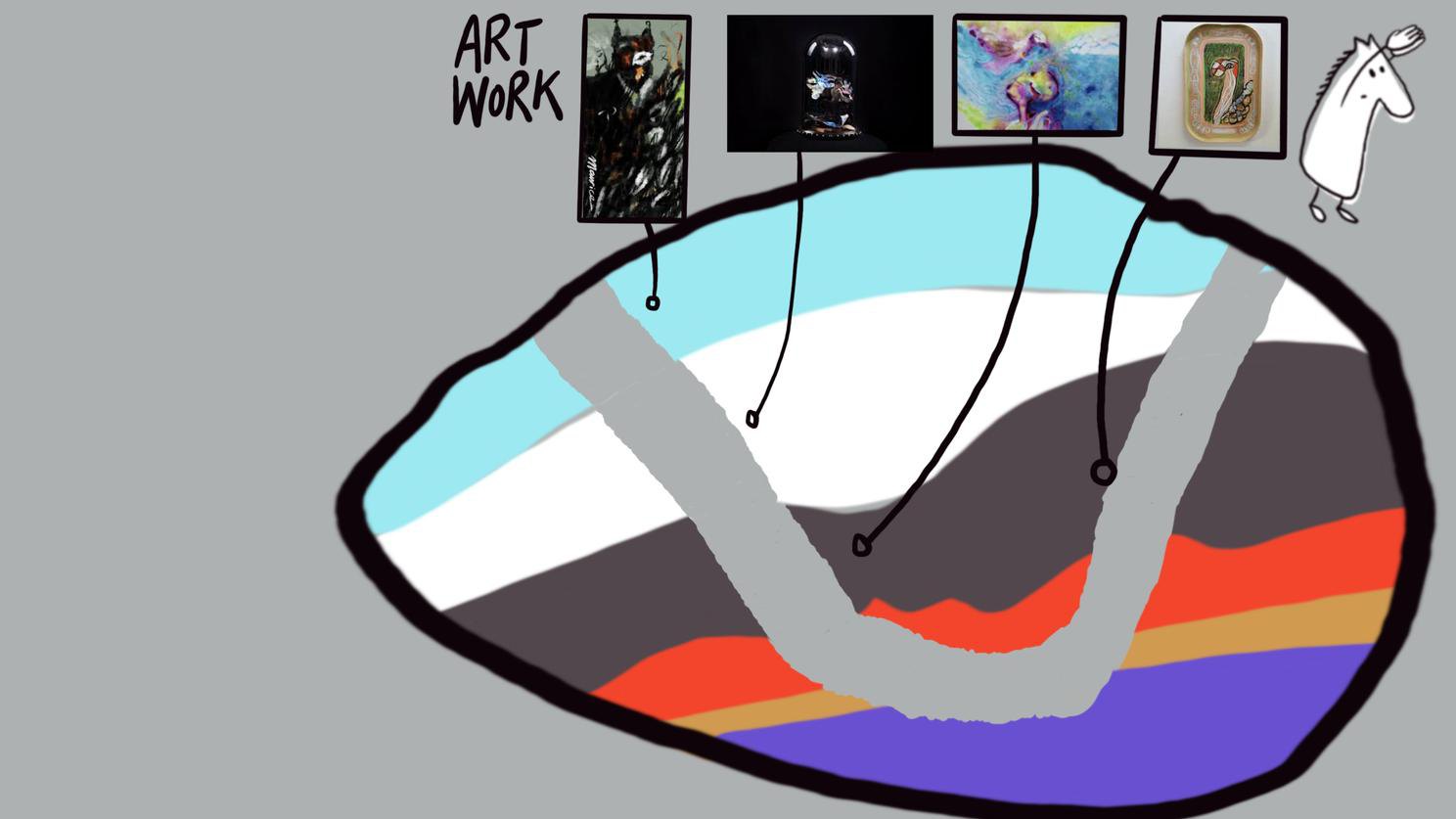
If you look closely, the artist doesn’t find one clean layer.
The mind is layered.
Messy. Contradictory. Sometimes dark.
But that is exactly where clarity starts.
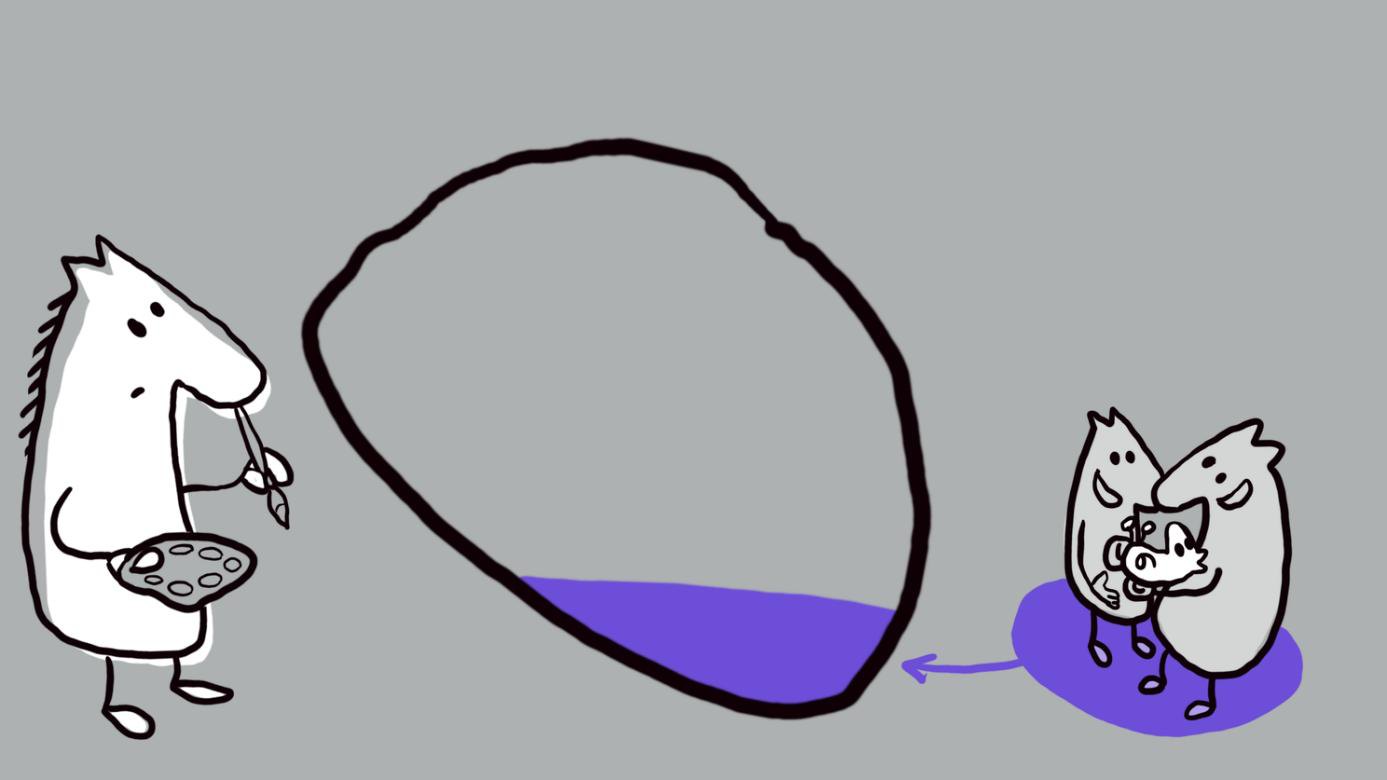
What we inherited
Part of who we are was never chosen.
We were born with a certain wiring. Temperament. Sensitivity. Energy.
Then came our parents — with love, limitations, projections, expectations.
That too becomes part of us.
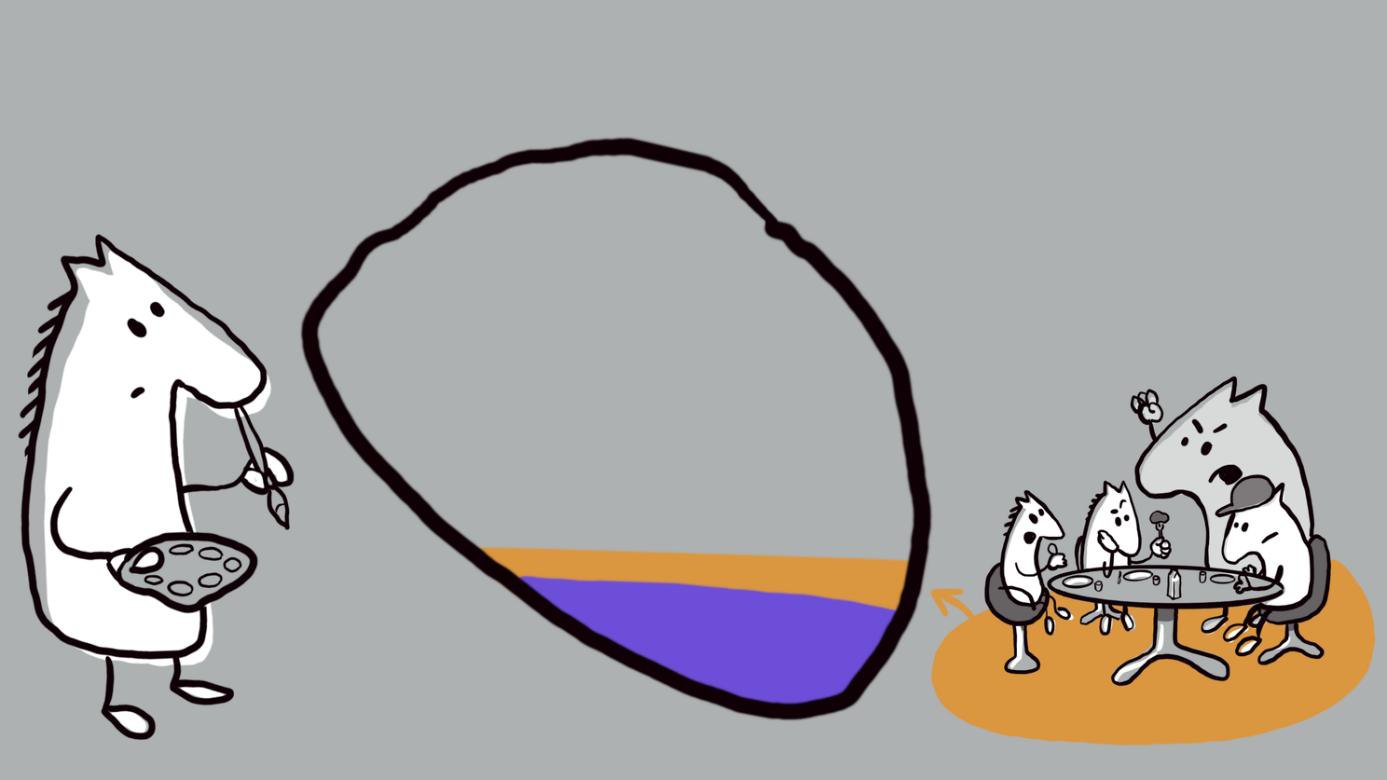
The family system
Then there is the family system.
Siblings. Roles we learned to play. Patterns we repeated unconsciously.
Who got attention? Who learned to adapt? Who learned to fight or withdraw?
These dynamics don’t disappear when we put on a suit.
They walk straight into meeting rooms.
Moments of pain
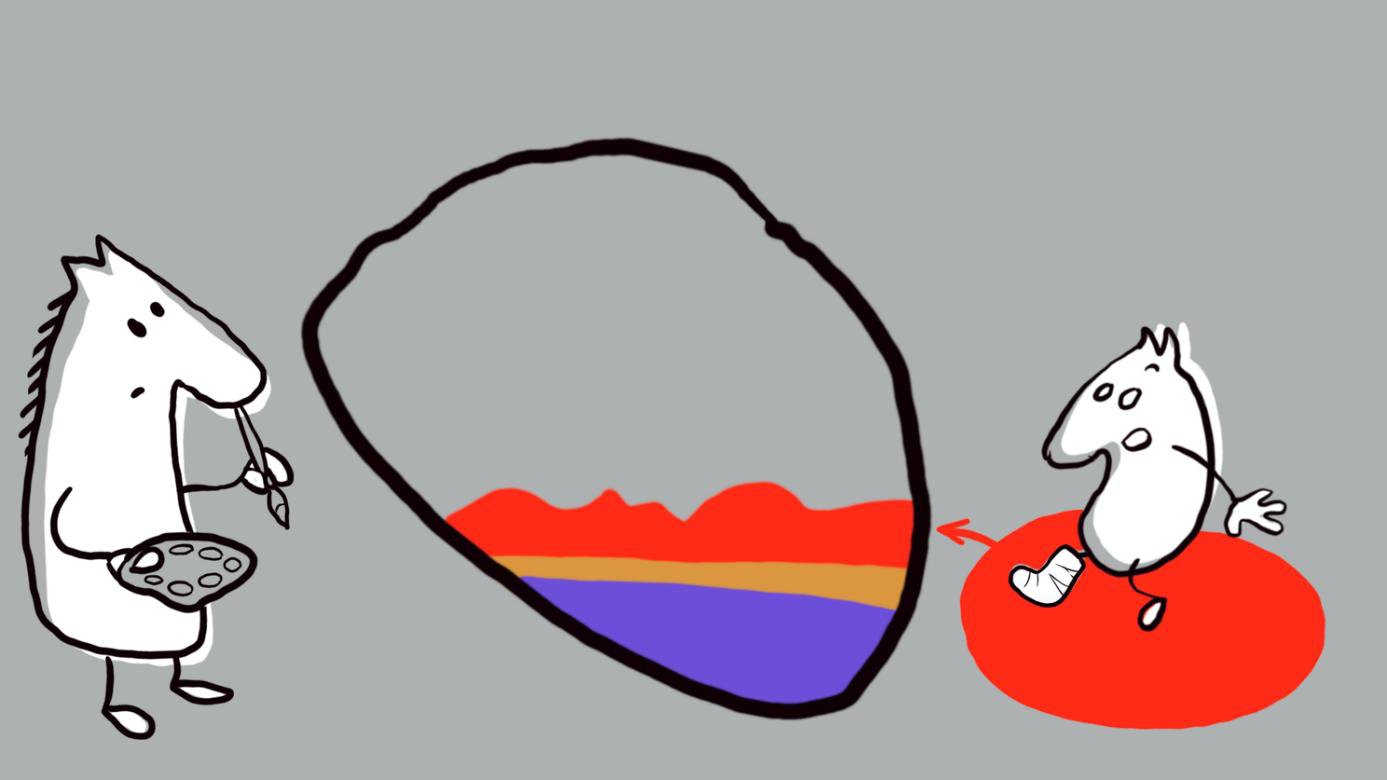
Next layer: pain.
Failures. Rejections. Loss.
Pain shapes how we deal with pressure, setbacks, and conflict.
Some harden. Some overperform. Some avoid.
In finance, we often pretend this layer doesn’t exist.
It very much does.
Moments of fear
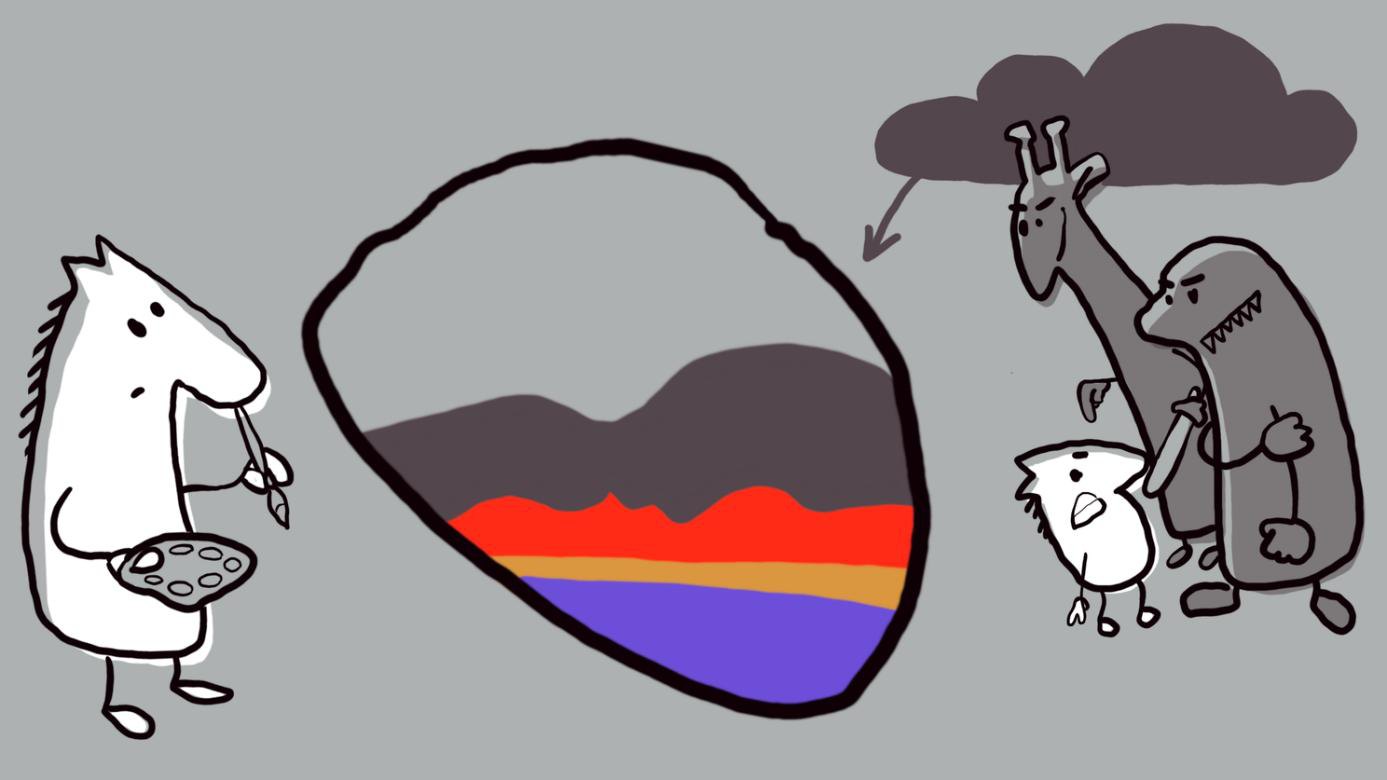
Fear is another layer.
Fear of losing status. Fear of not belonging. Fear of being exposed.
Fear is powerful — especially in systems with hierarchy and money.
Unseen fear quietly drives behaviour, risk-taking, and groupthink.
Winning and the ego
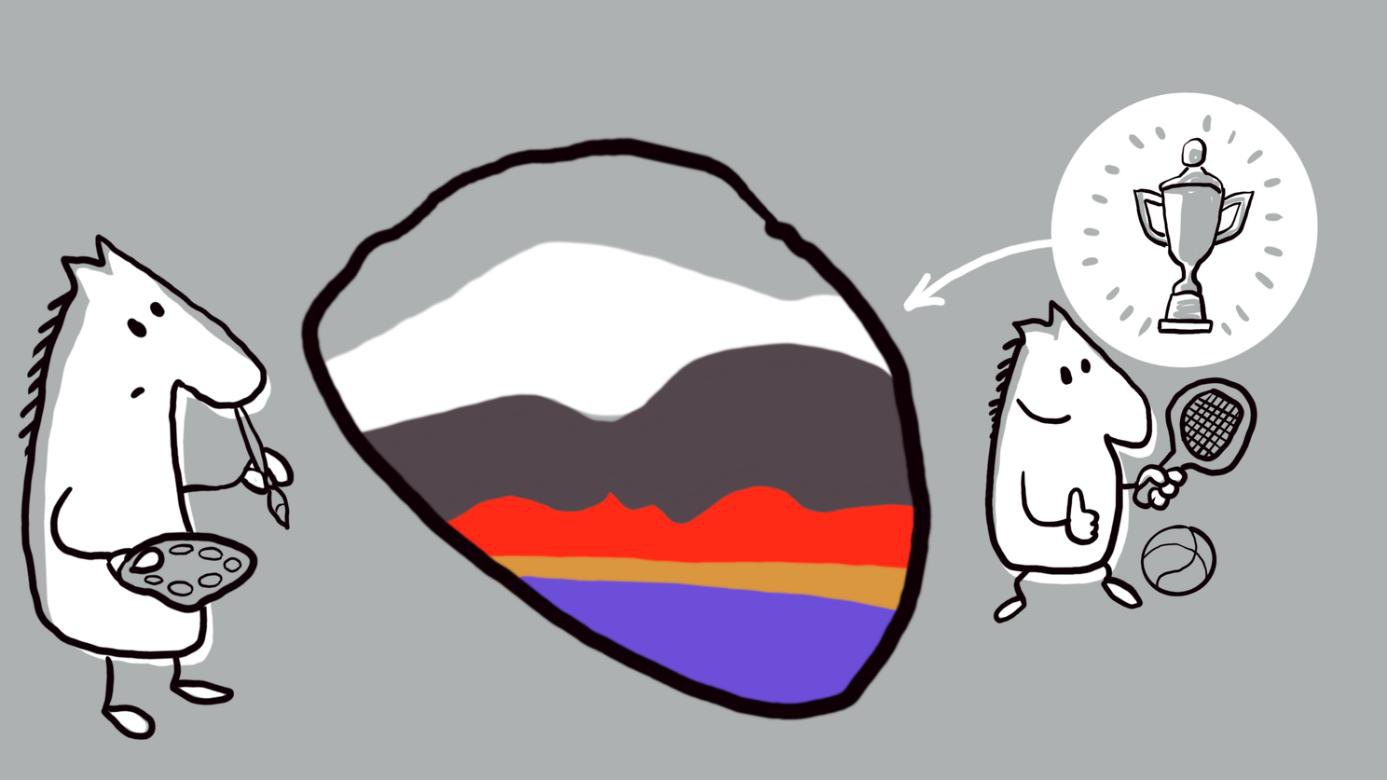
Then there is success.
At some point we realise:
“Hey, I’m good at this. I can win.”
That builds confidence — and ego.
Winning can become identity. Performance becomes self-worth.
This is a particularly strong layer in finance.
Temptation
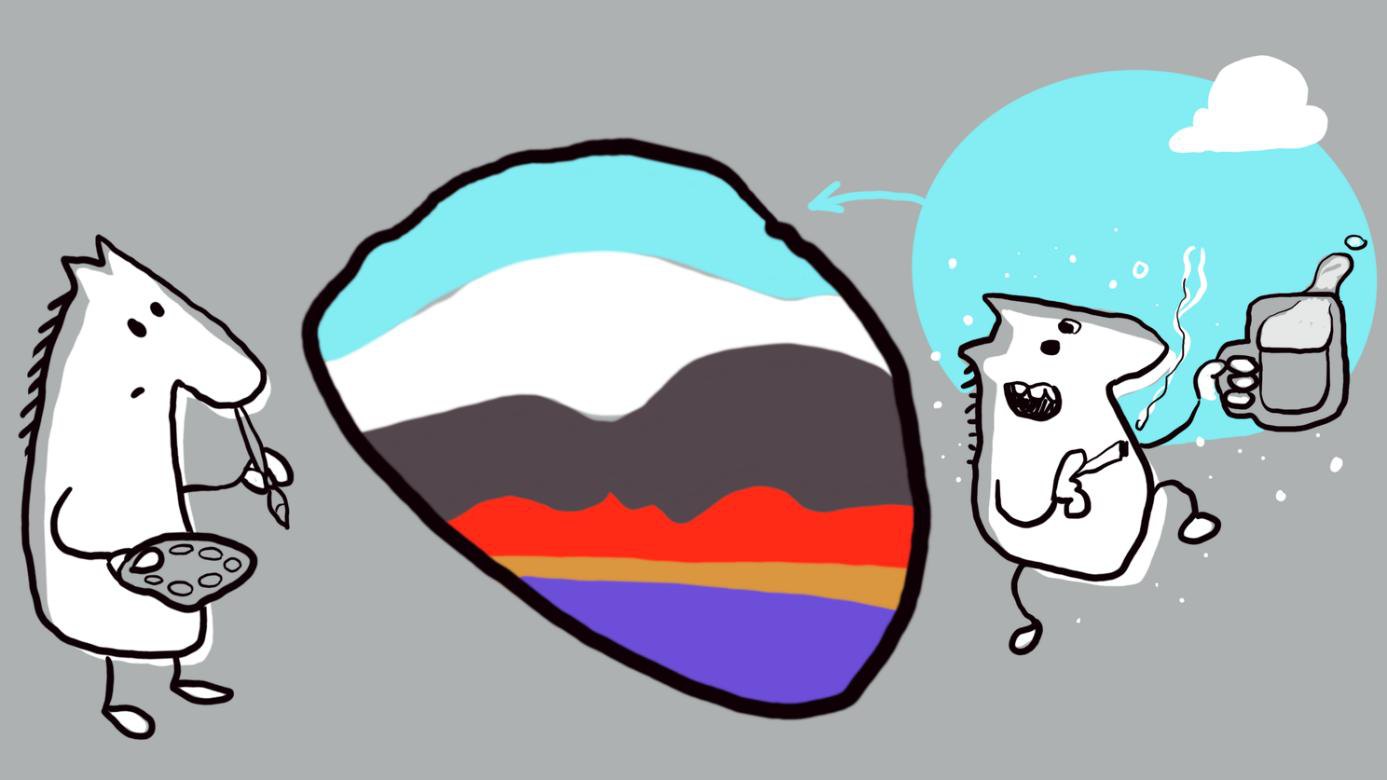
And finally: temptation.
Money. Power. Recognition. Escape.
Alcohol. Distraction. Shortcuts.
Artists talk about this openly. In finance, we often don’t.
Yet systems built around money amplify temptation — not reduce it.
Diving into it
Here is where artists differ.
They dive into these layers.
Not to fix them. Not to judge them.
But to see them.
And while doing that, they create art.
The friction between layers — identity, fear, ambition, pain — becomes fuel.
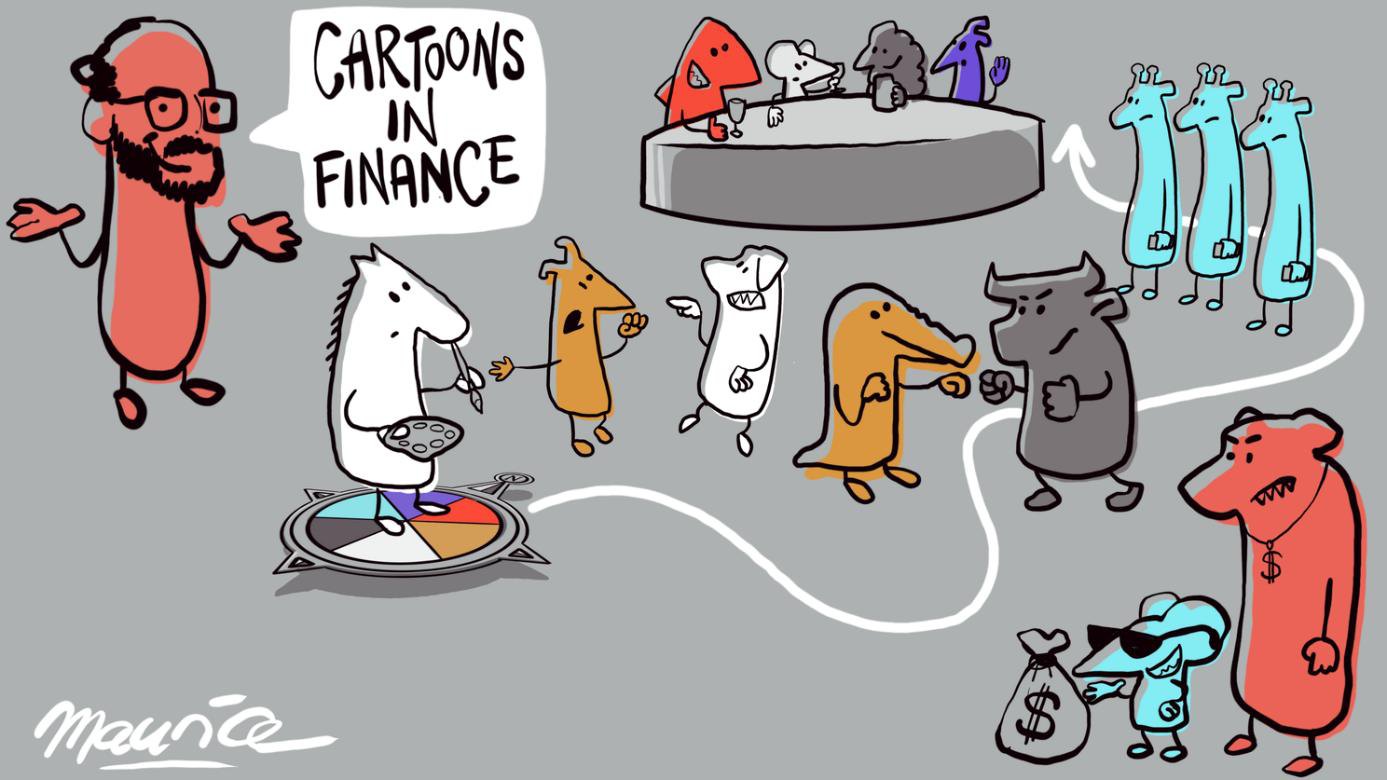
The compass
Over time, something remarkable happens.
Those layers don’t disappear. They turn into a personal compass.
When you see your own shadows:
you recognise them in others
you see group dynamics more clearly
you spot biases and power games sooner
you feel when money starts pulling too hard
Artists don’t just follow “the system”.
They stay close to this inner compass.
Cartoons in Finance
This is why I believe finance desperately needs artists.
Not painters per se — but people who:
dare to look inward
acknowledge complexity
recognise their own darkness
don’t confuse success with truth
and stay aware when incentives distort behaviour
In highly structured, rule-based, money-driven systems, inner awareness becomes a risk control.
Maybe even the most important one.
That’s what Cartoons in Finance tries to make visible.
Not by explaining finance better — but by drawing what usually stays unseen.
Originally published on LinkedIn. View original article.