A. “Pension funds, you need to fund us!”
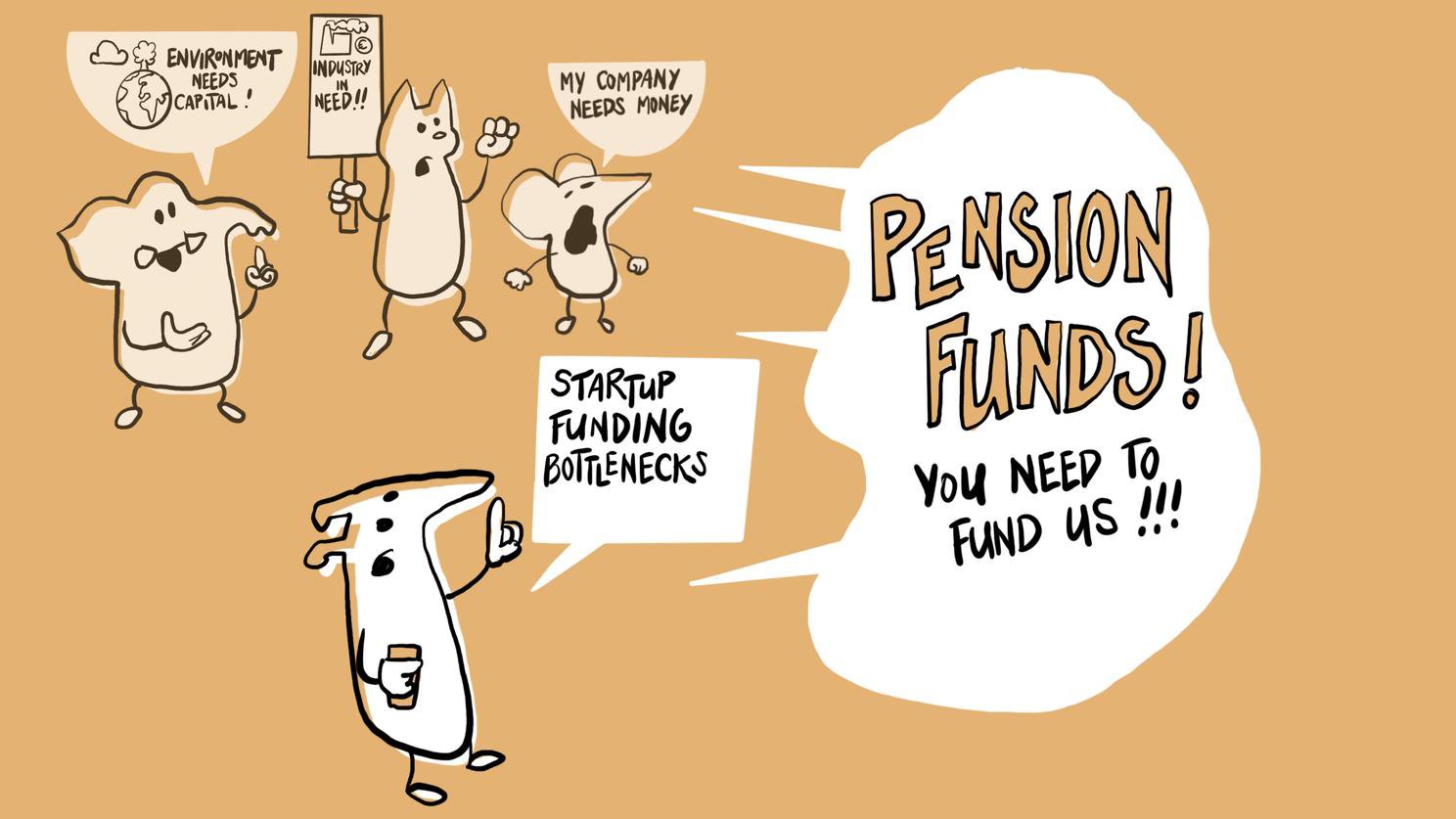
We see it everywhere.
The energy transition needs capital. Industry needs capital. Startups need capital. Innovation needs capital.
And sooner or later, the finger points in the same direction:
👉 “Pension funds should invest more.”
It sounds logical. Pension funds are large. Long-term. Patient.
But logic is not the same as feasibility.
B. “This is people’s pension money.”
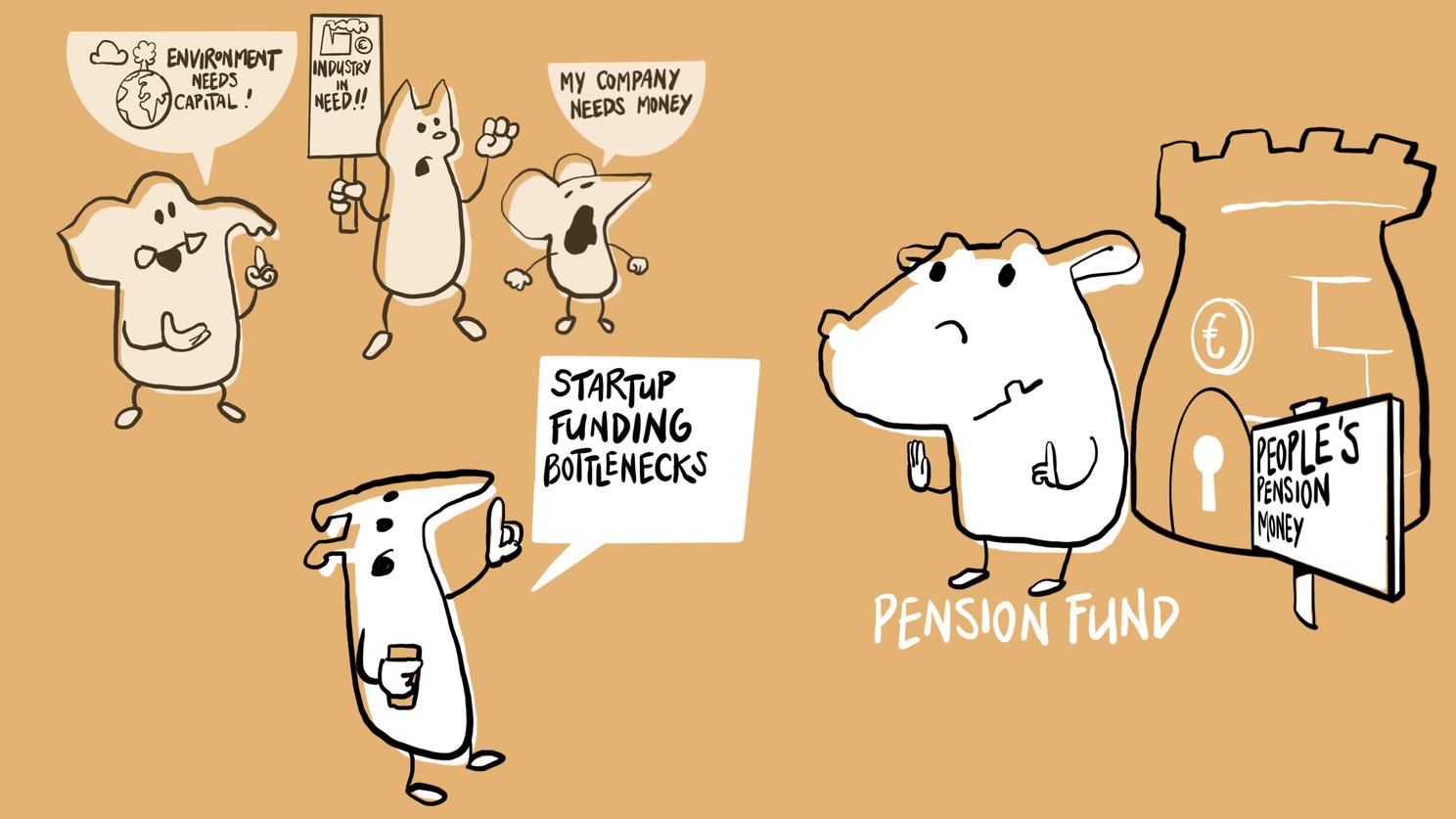
Behind that large pool of capital sits something quite different:
👉 People’s pension savings.
Pension funds are not general-purpose capital providers. They are fiduciaries with obligations:
to deliver returns
to manage risk
to protect funding levels
to align with the preferences of their participants
And increasingly, regulation expects them to go further: 👉 to understand what their participants actually want from those investments.
This creates a tension.
Because while society asks for “capital deployment”, pension funds are asked for precision, prudence, and accountability.
C. The “investable window”
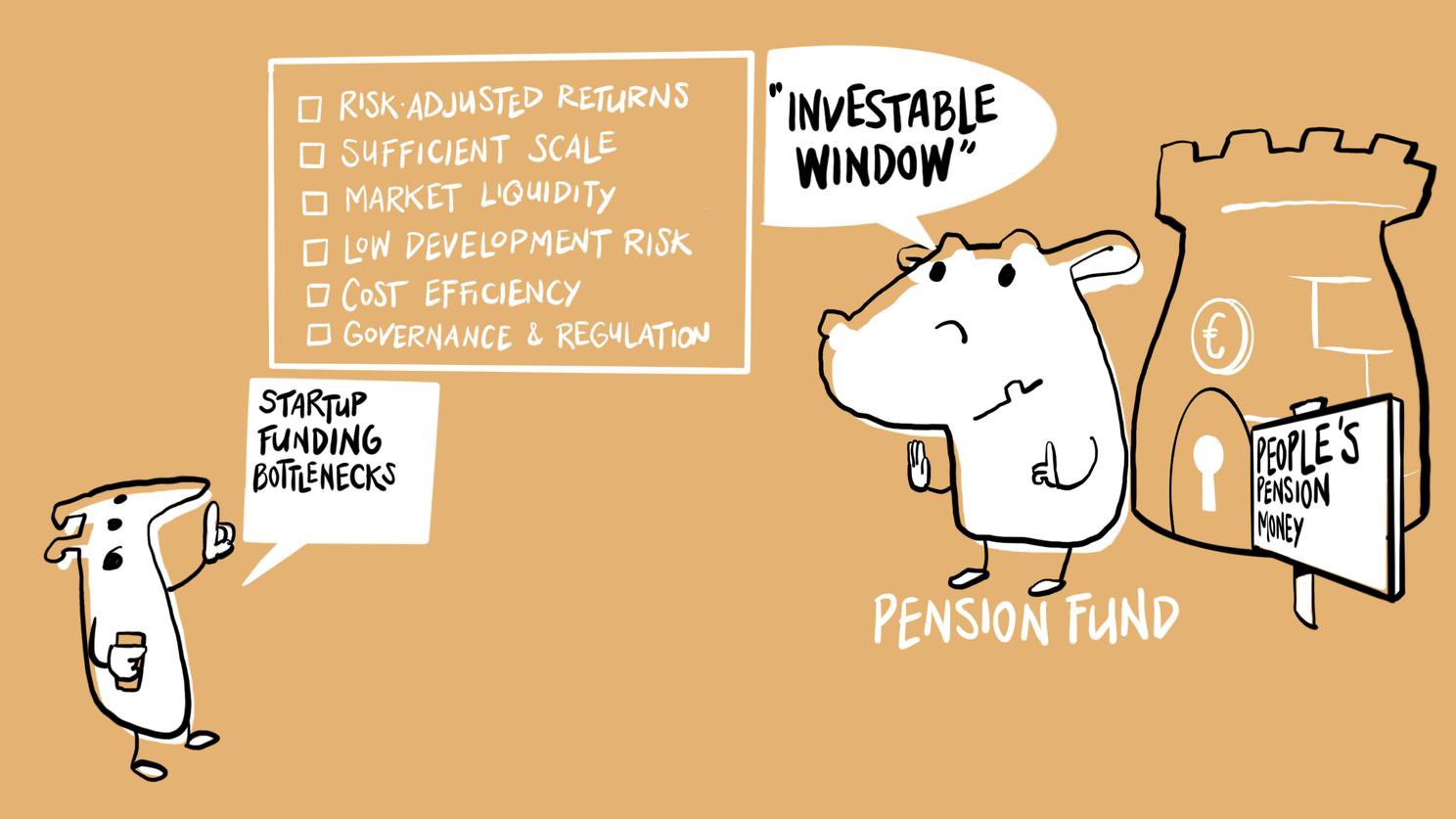
In response, many pension funds have started to articulate something quite powerful:
👉 the concept of an “investable window.”
In simple terms:
There are conditions under which an opportunity becomes investable.
You see these conditions come back consistently:
✔️ Risk-adjusted returns
✔️ Sufficient scale
✔️ Liquidity / exit visibility
✔️ Limited development risk
✔️ Cost efficiency
✔️ Robust governance / regulation
And that is where many “good ideas” run into trouble.
Because:
A societal need ≠ an investable opportunity
A funding gap ≠ a risk-return proposition
D. Can we make the window bigger?
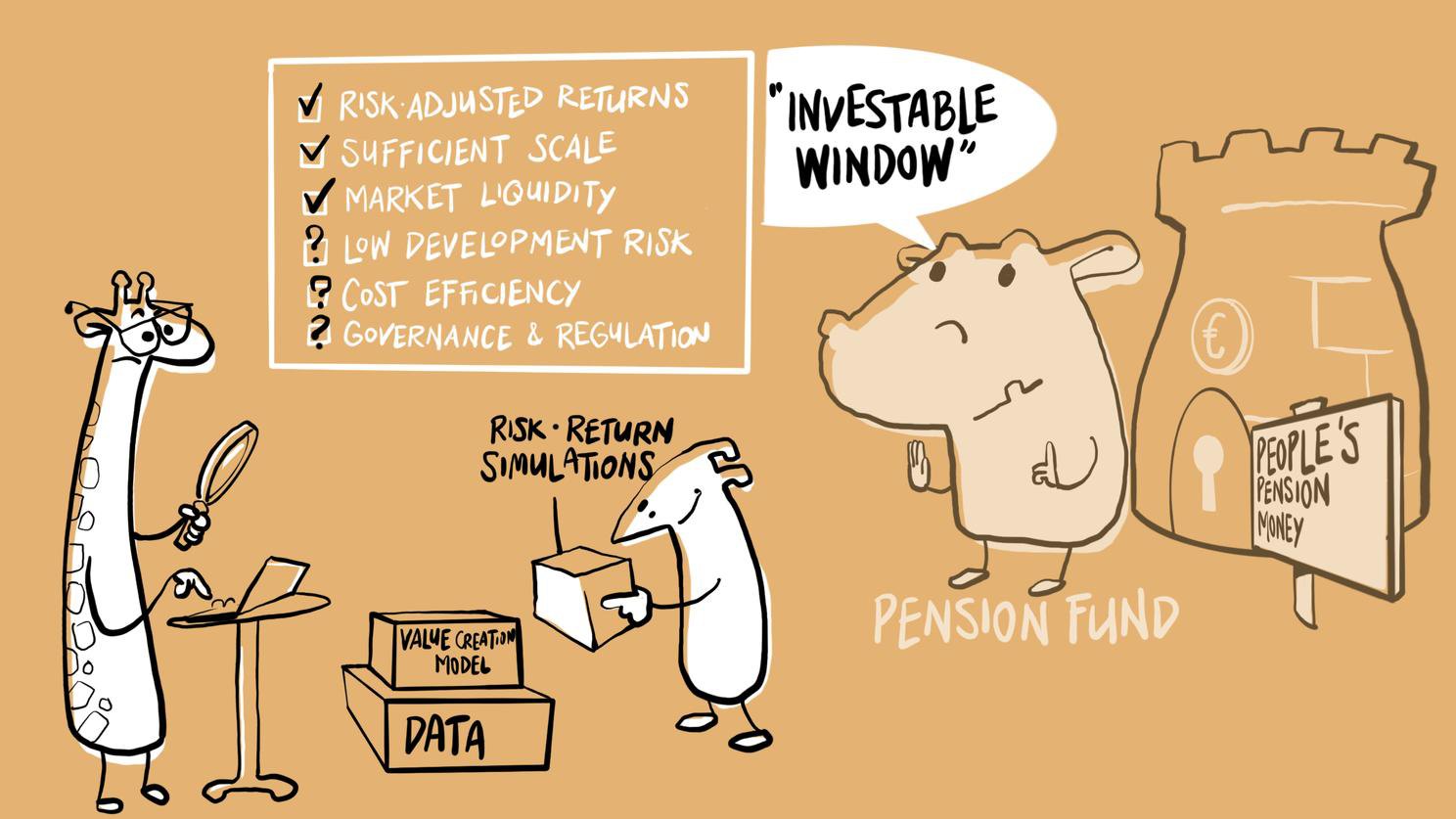
This is where the interesting work starts.
Over the past months, together with Koen, I’ve been exploring this question further—starting from seed capital funding, one of the areas where the gap is most visible.
Not from a policy angle. Not from a narrative angle.
But from a data and modelling perspective.
👉 Can we define, more precisely, what “investable” means?
👉 Can we simulate how risk and return evolve as assets mature?
👉 Can we identify under which conditions early-stage investments might enter the investable window?
We are building:
a data model of value creation
risk–return simulations
and a more scientific framing of investment expectations
Early reflections
What we are seeing so far is encouraging.
Not because it magically removes risk. But because it helps to structure it.
It suggests that some of the concerns pension funds have are not binary (“investable or not”), but dynamic over time.
And that raises a more constructive question:
Instead of asking pension funds to move, can we redesign opportunities so that they enter the investable window?
A different conversation
If we want more pension capital to flow into areas like innovation, energy transition or scale-ups…
Then perhaps the question is not:
❌ “Why aren’t pension funds investing?”
But:
✅ “What needs to change for these investments to become investable?”
We will be sharing more on this soon.
And I’m curious:
👉 Do you see examples where the “investable window” has successfully been widened? 👉 Or where good ideas never made it across that threshold?
Originally published on LinkedIn. View original article.