Why most careers optimize horizontally — and what it takes to learn vertically
When we talk about learning at work, we usually mean one thing: getting better at the job in front of us.
New skills. New tools. New frameworks. Another tutorial, course, or workshop.
That kind of learning is useful. Sometimes essential. But after a while, something odd can happen.
You move jobs. You grow titles. You gain experience.
And yet… some frustrations keep showing up.
Workplace 1 → 2 → 3 (Cartoons 11A–11C)
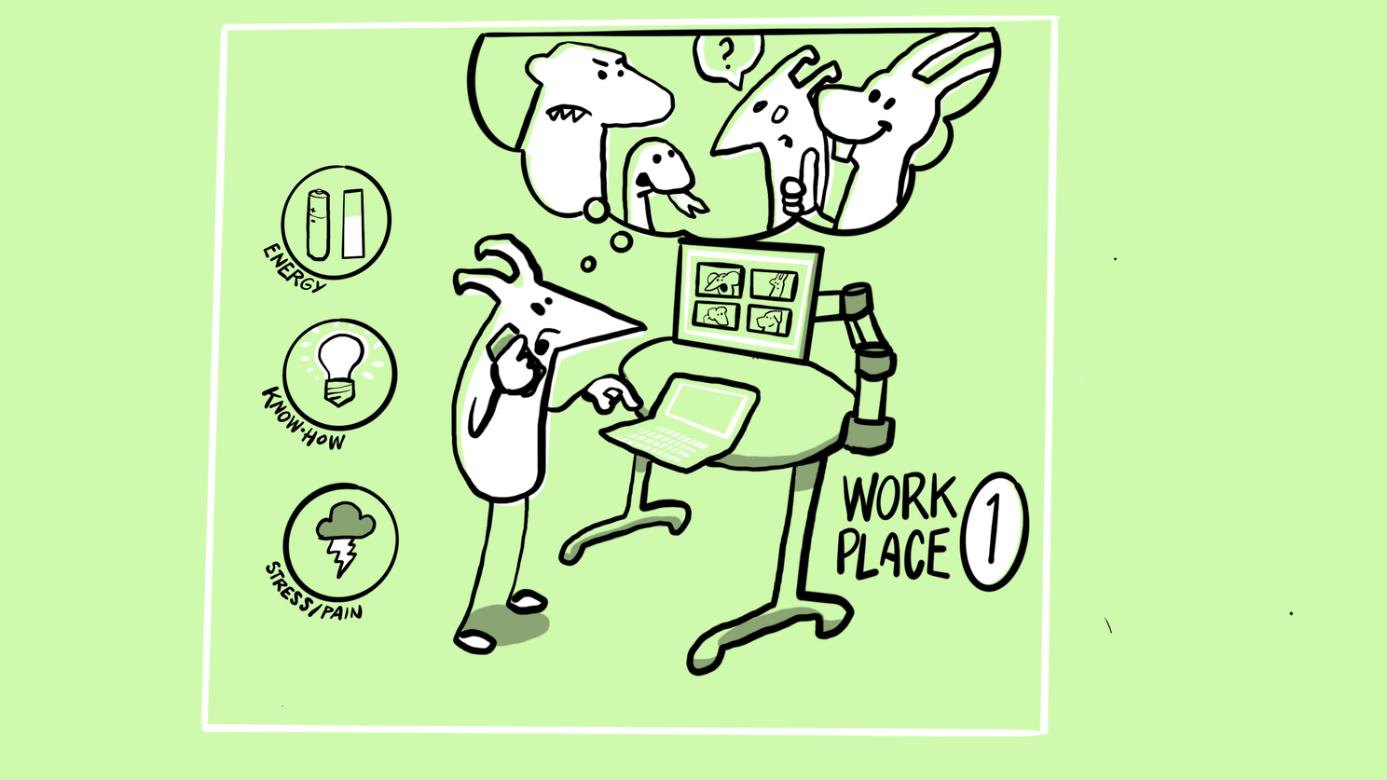
Your first real job is usually intense.
You work with others. Some things give you energy, others drain it. You learn fast. You also discover limitations — in yourself, in the team, in the company.
That’s Workplace 1.
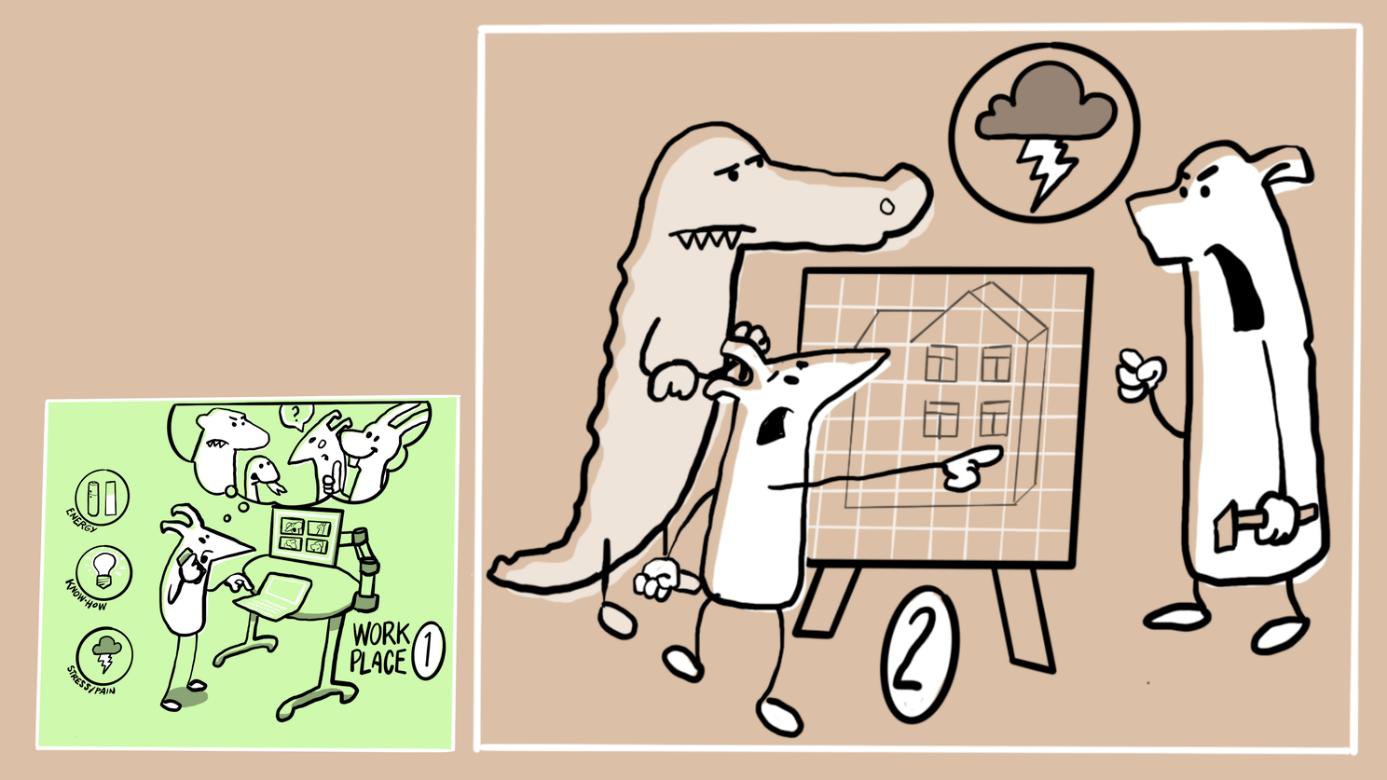
When you move on to Workplace 2, you take your skills with you. You learn more. You avoid what didn’t work last time. And still… new frustrations appear.
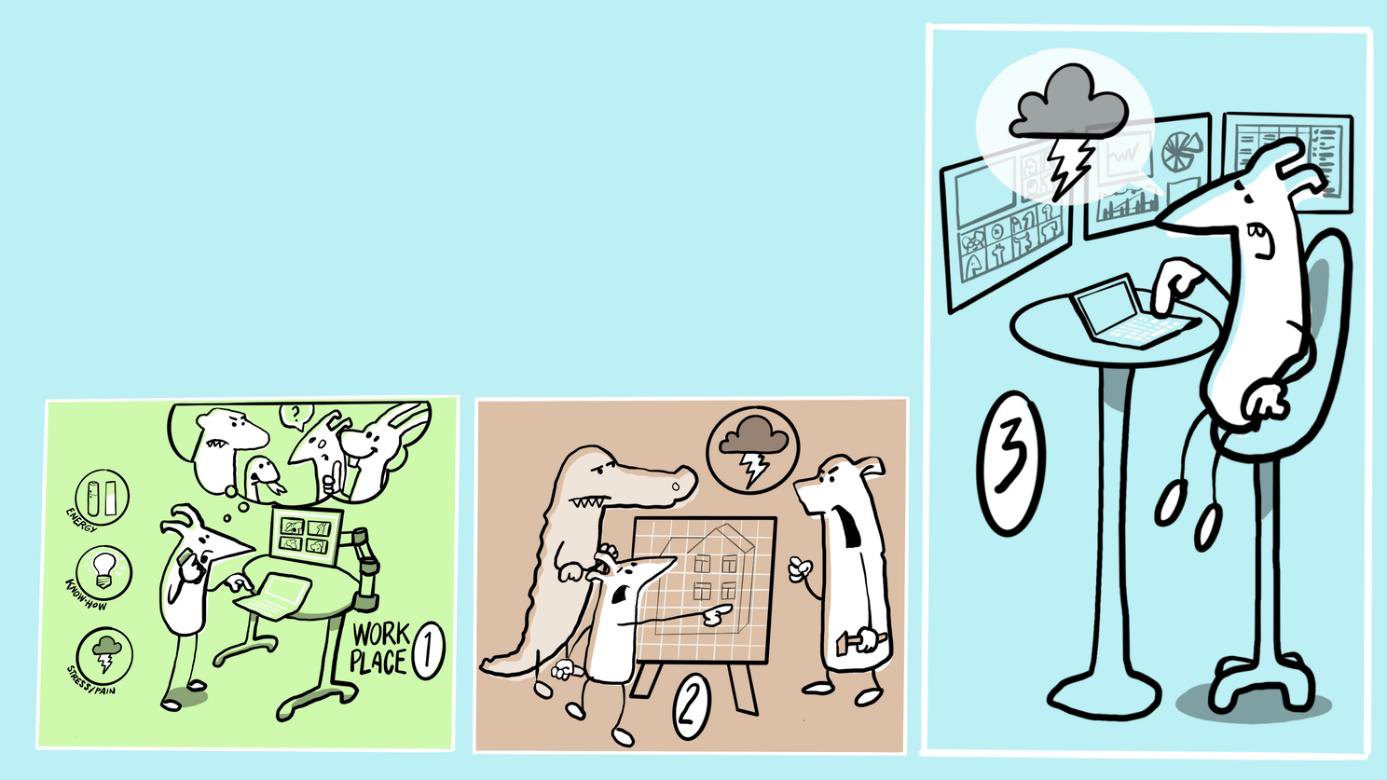
By the time you reach Workplace 3, you’re experienced enough to be selective. You look for roles that fit you better. You consciously try not to repeat the past.
Yet if you pause and reflect , you may notice something uncomfortable:
You’ve learned a lot — but often around the same issues, not through them.
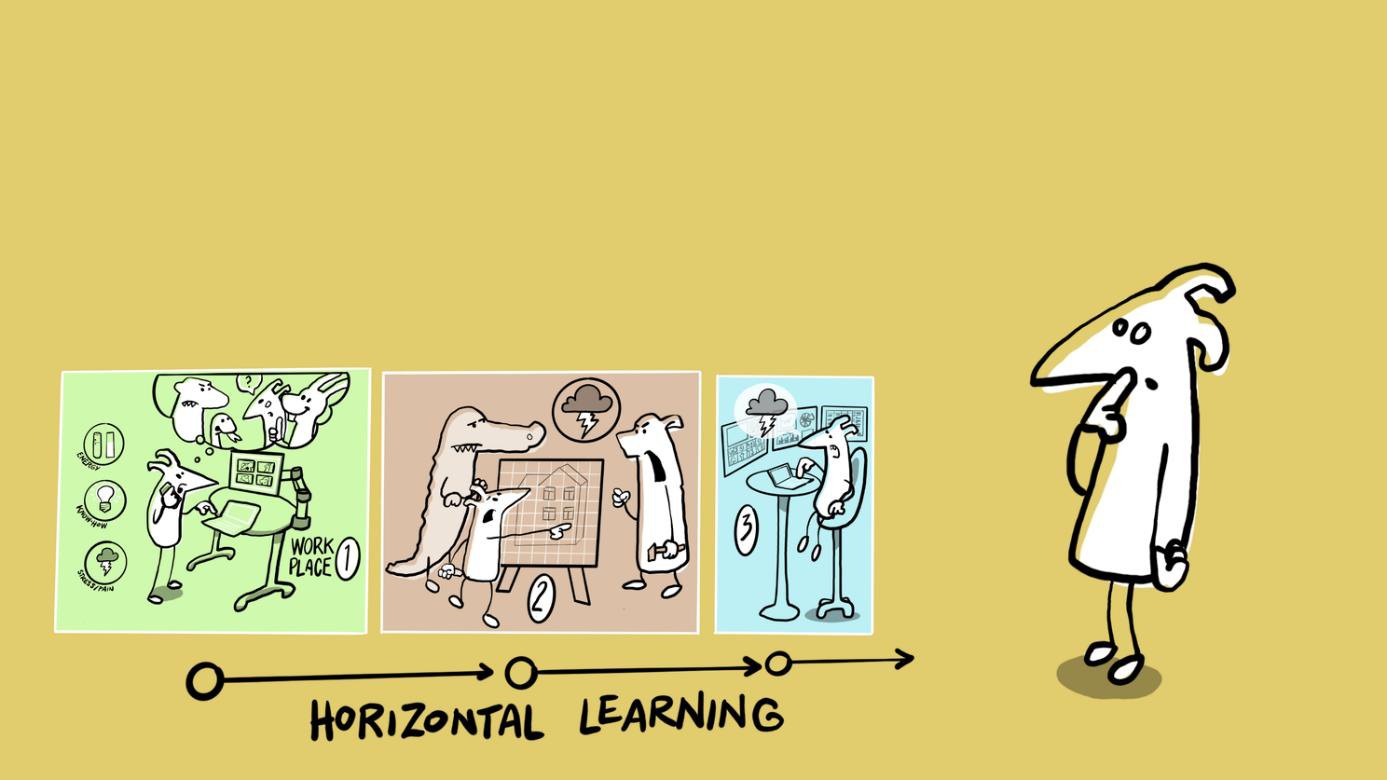
Horizontal learning
This is what I call horizontal learning.
You progress:
from company to company
from role to role
from toolset to toolset
You accumulate knowledge and experience along the way.
And still, certain patterns remain:
difficulty influencing key decisions
recurring conflicts with authority or peers
avoiding situations that drain your energy
not quite growing into the role you really want
The irony? The area where growth matters most often shows up as frustration.
A useful proverb
When I explored myself I looked around me and also in literature, educational books and philosophy. There I found this Chinese proverb that loosely translates to:
When you are in pain, you are just before discovering something important about yourself.
That line stayed with me.
Because pain at work is easy to misinterpret — or outsource.
Complaining as a defense mechanism
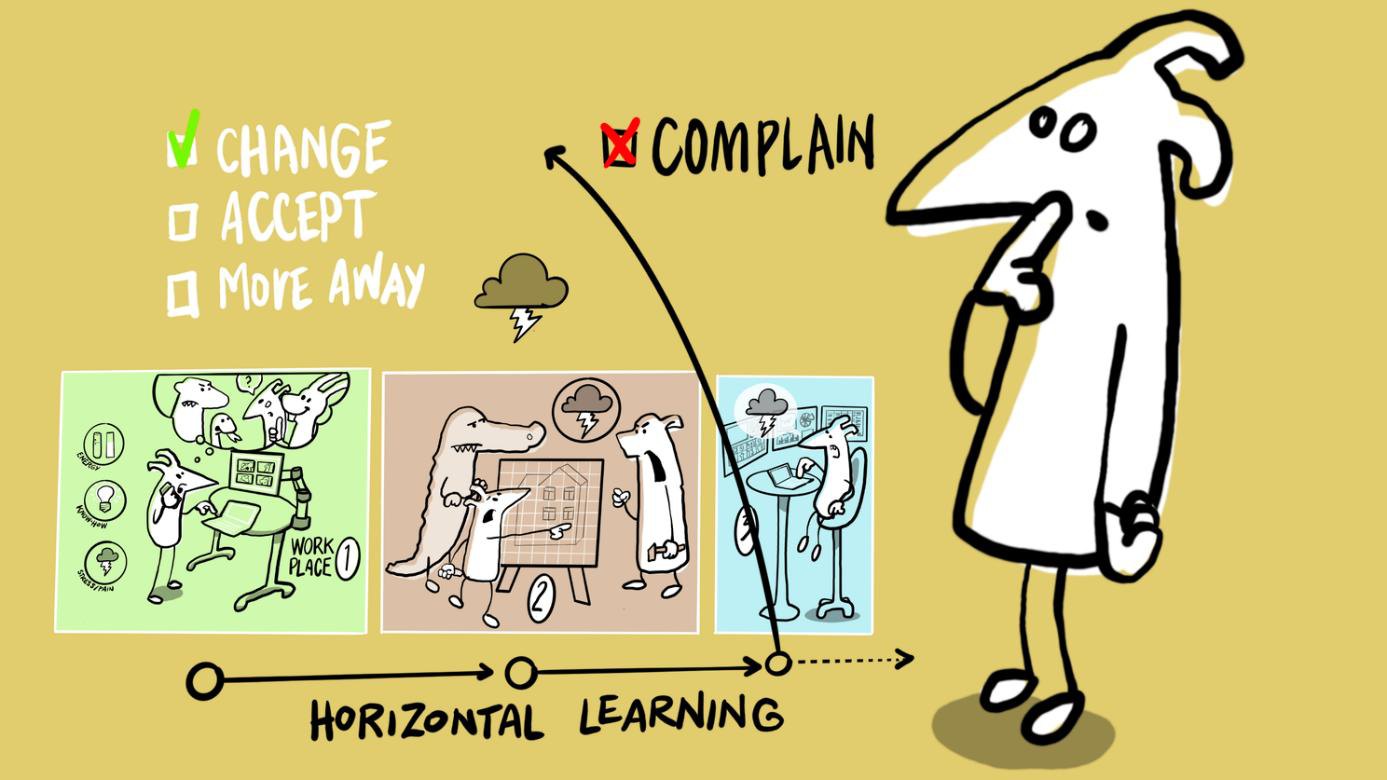
When something doesn’t work, we often complain:
about management
about colleagues
about “the culture”
about the market, investors, regulators, or customers
Complaining feels safe. But it also does something subtle.
It projects the cause outside yourself.
And by doing that, you avoid a more difficult question:
How do I want to deal with this?
In reality, there are only three options:
Accept the situation
Try to create positive change
Move away
Complaining is not a fourth option — it just postpones choosing.
A personal example
Early in my career, I was not comfortable speaking in groups.
In one of my first jobs, I joined a meeting with the IT director. It was emotional. When I was finally asked for my opinion, I failed to articulate it clearly. I felt that some colleagues were grinning while I was searching for words.
I could have concluded:
“He didn’t listen.”
“The meeting format was wrong.”
“I’m just not that kind of person.”
Instead, frustration pushed me to explore:
how to prepare key points in advance
how to align with stakeholders before meetings
how to respond when my ideas are challenged
how to structure arguments under pressure
That journey didn’t add a new skill on my CV. It changed how I showed up.
From unaware to capable
This is where learning becomes vertical.
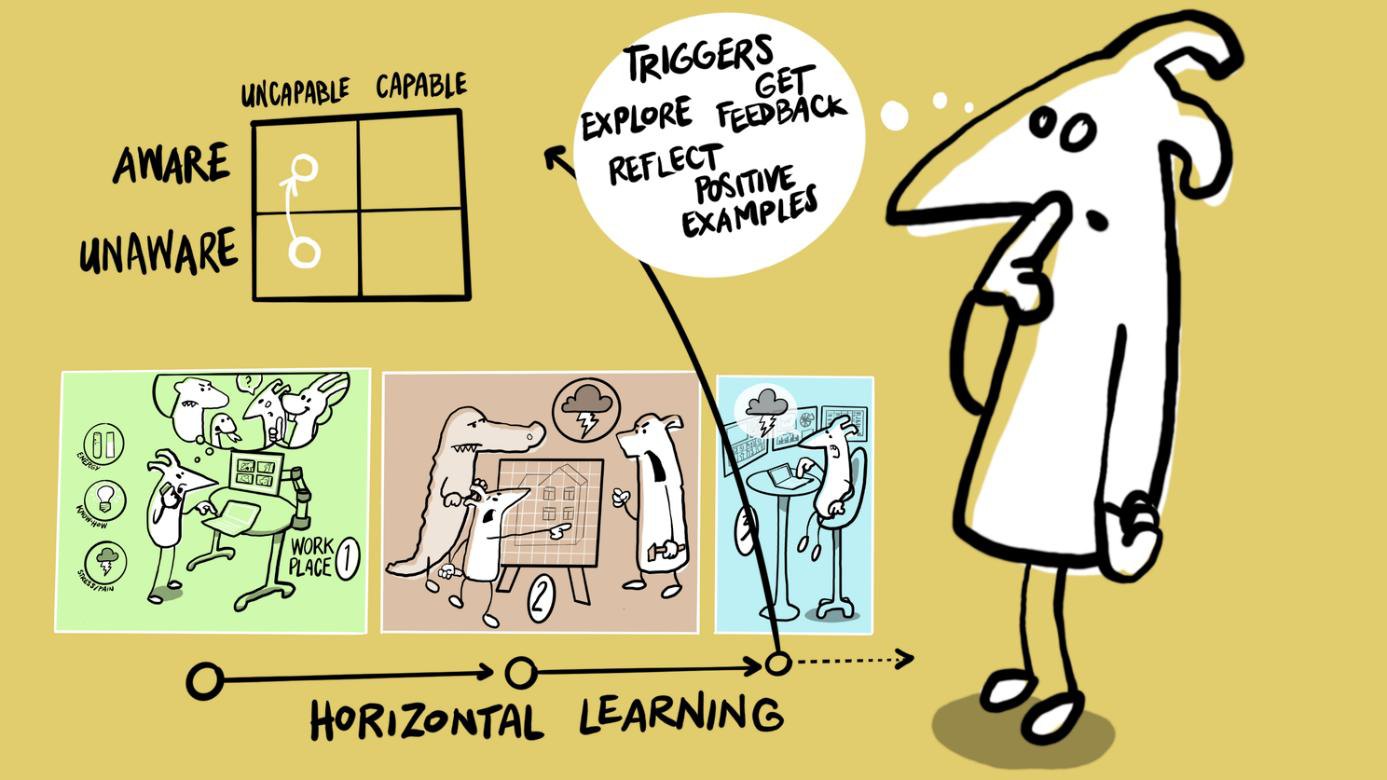
The process usually looks like this:
Moving from unaware and incapable
To aware and incapable
That transition is uncomfortable.
It requires:
noticing your triggers
actively seeking feedback
observing role models
reflecting instead of defending
Once you are aware, you can experiment:
try new behaviors
adjust based on results
apply insights from books, mentors, or peers
iterate
Over time, something shifts.
What once required effort becomes natural. You reach unaware and capable again — but at a higher level.
Vertical learning
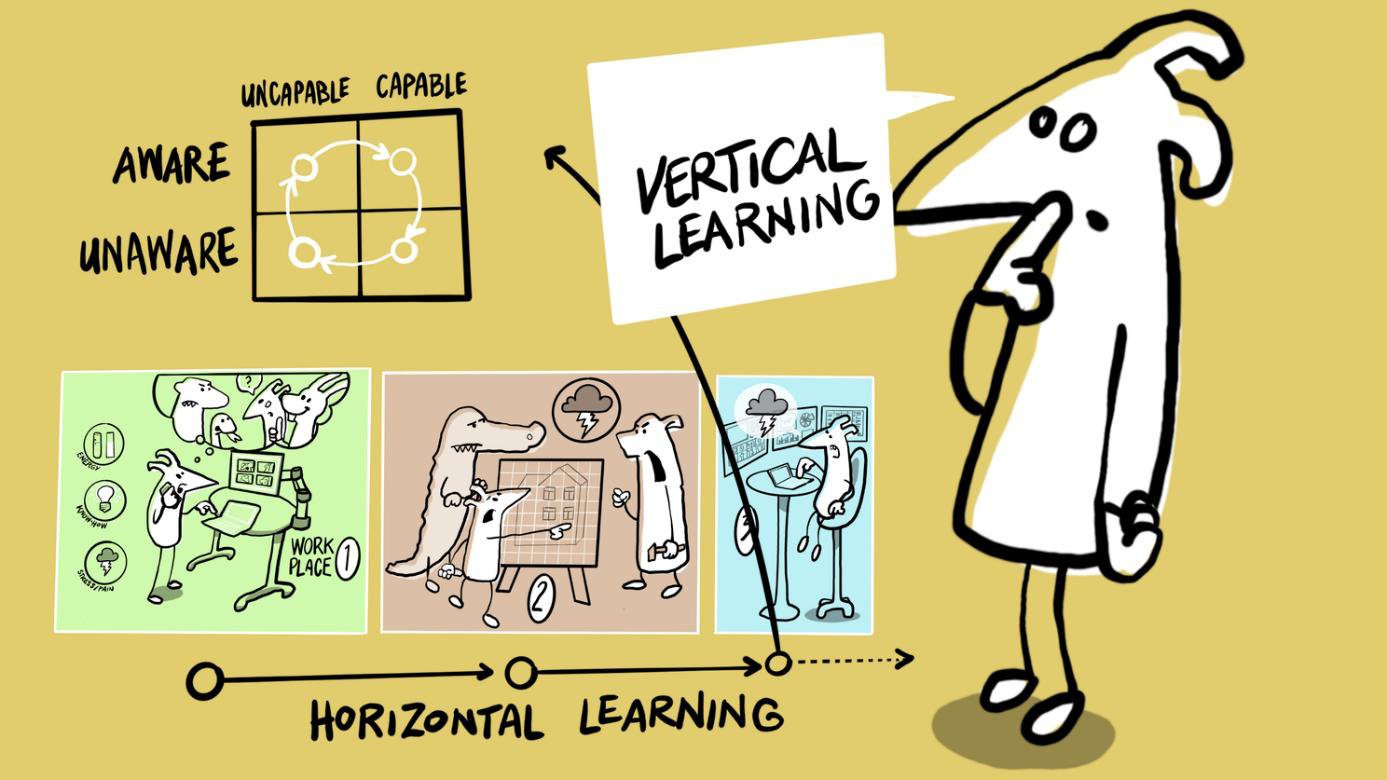
Vertical learning doesn’t happen by changing jobs alone. It happens by turning toward the thing you avoid.
For entrepreneurs, this often sits around:
leadership conversations you postpone
conflicts you delegate away
feedback you intellectually accept but emotionally resist
behaviors that limit scale — yours, not the company’s
Paradoxically, the fastest way forward is often downward: into discomfort, reflection, and self-confrontation.
A closing thought
Horizontal learning expands what you know. Vertical learning changes who you are while knowing it.
Both matter. But only one unlocks the next chapter when progress stalls.
As always — the cartoons tell the short story. Life provides the long version.
Three things I learned (the hard way)
Looking back—through drawing, reflecting, and growing through different roles in finance—three learnings stand out for me.
1. Repeated frustration is a signal, not bad luck When I complain about the same thing three times, I’ve learned to stop talking and start choosing. Accept it. Change it. Or move away.
The same applies as a manager: when someone brings me the same complaint three times, they don’t need another workaround—they’ve earned a real conversation about what we want to do with it. Repetition is often the clearest sign that vertical learning is waiting.
2. Your strengths and frustrations usually come from the same place Wanting to fully understand the details before forming an opinion has helped me enormously in finance. The same strength also became a challenge: waiting too long to decide—and getting irritated by people who spoke fast without thinking or knowing the basics.
Once I saw that connection, the learning changed. The work was no longer about replacing a strength, but about learning when to dial it up—and when to let go. That adjustment doesn’t come from training. It comes from self-awareness under pressure.
3. Real learning can’t be outsourced to training It’s easy to send people to a course or a webinar. It’s much harder—but far more effective—to have the right conversation at the right moment.
Sometimes that even means waiting until someone feels enough friction to be truly open to learning. Without that readiness, learning stays horizontal. With it, even a small insight can change how someone shows up for years.
Originally published on LinkedIn. View original article.